

Formats compared · capsule, powder, softgel
Popular Supplement Formats for Men
This page compares the formats men choose most often: daily capsules, energy blends, single-ingredient products, powders, and softgels. It is a neutral look at what each format is good for and what to check before buying, without brand rankings.
How to read a comparison
Four points decide most purchases
What the product is meant to support, the amount per daily serving, the format, and whether the packaging carries the documentation you would expect. Everything else, including price and packaging design, is secondary.
Use the notes on this page as a checklist for whatever you are holding, rather than as a ranking of products. Two products can look almost identical on the shelf and still be built for different routines.
Point one
What it is meant to support
A daily blend and a single-ingredient product rarely answer the same reason for looking.
Point two
Amount per daily serving
Stated per day, not only per capsule, so two products can be compared fairly.
Point three
The format itself
A capsule, a scoop and a softgel ask for different habits from the person taking them.
Point four
Documentation on the pack
A registration number, an expiry date, and a seller you can name before you pay.
Everyday format
Daily multivitamin capsules
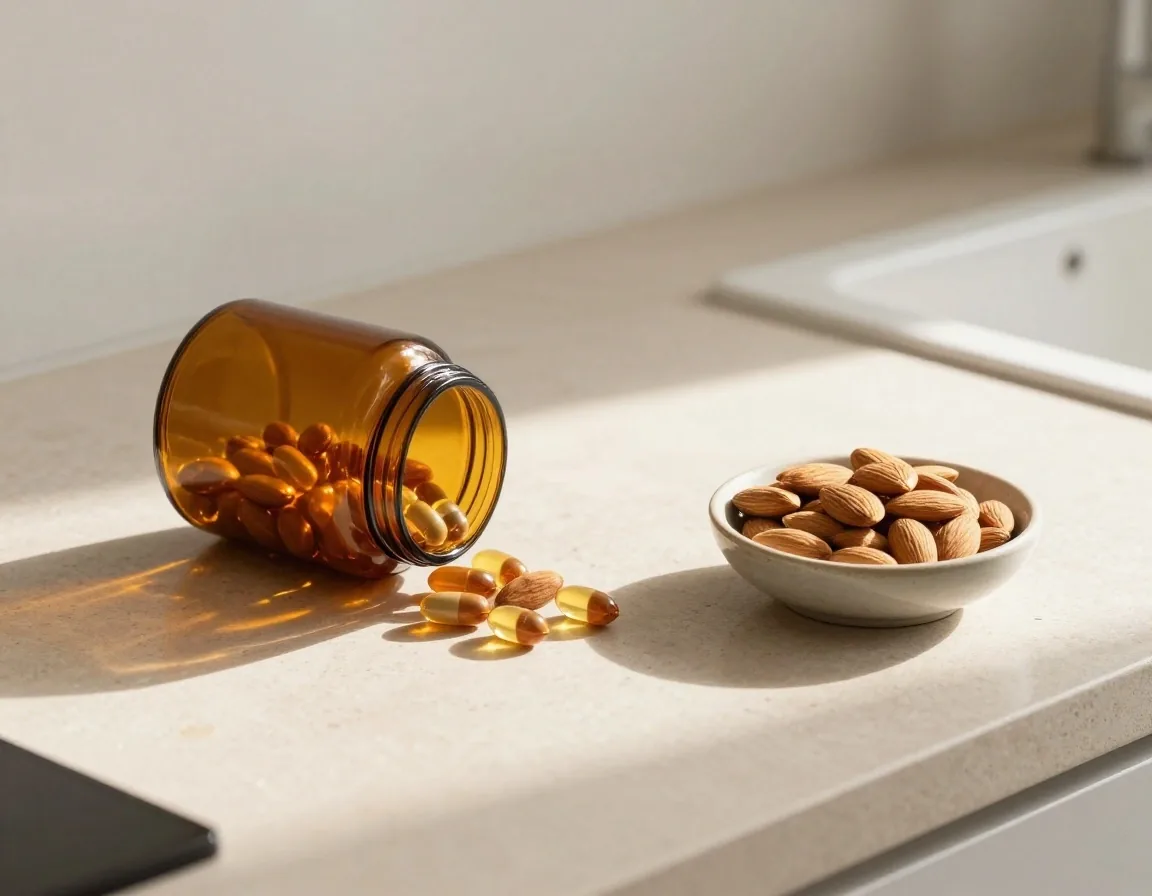
The most common format in men's vitamin supplements is a once-daily capsule or tablet combining vitamins and minerals at maintenance-style amounts. It suits people who want one simple habit and already eat reasonably well.
These products are built for consistency rather than for a short burst, which is why the label usually asks for one serving a day and little else.
What to compare
- The full nutrient list, not just the front-of-pack claims
- The amount listed per serving rather than per tablet
- Whether minerals are included or the formula stops at vitamins
What to watch
Two products overlapping on zinc or B vitamins if you take both at once. Read the two labels side by side and add the numbers before you decide that a second bottle is needed.
If the routine is already working, moving to a higher number is not automatically an improvement. Consistency over weeks matters more than the size printed on the front.

Capsule blends
Energy and endurance blends
These usually arrive as capsules with B vitamins, magnesium, and one or two plant extracts, sometimes with caffeine from green tea or guarana. They suit people with a stable routine who want support around normal metabolism and activity, rather than a single dramatic push.
Because these often carry more than one active ingredient at once, the label is the place to start. Total caffeine per daily serving and the plant extract amounts are the first figures worth writing down, followed by whether the serving is one capsule or two.
What to compare
Total caffeine per daily serving and the amount of each plant extract, written per day rather than per capsule.
What to watch
Taking a blend alongside coffee and expecting the label to account for it. Note the coffee, then read the serving size again.
More on this format in the Energy and Endurance section of the site.
One variable at a time
Single-ingredient products
A single-ingredient capsule, such as magnesium or a specific plant extract, gives you one variable to observe. It suits readers who want to test one thing at a time rather than a combination, because there is only one line on the pack to read and only one habit to keep.
These formats are also easy to stop and start, which makes them useful when you are working out which part of a routine actually earns its place on the shelf.
What to compare
The elemental or extract amount per serving, the form it comes in, and how many servings the pack actually holds.
What to watch
Single-ingredient products often come at higher amounts than blends, so check for overlap with anything else you take.

Mix-yourself formats
Powders and drink mixes
Powders suit people who already mix a drink after training, since the habit exists before the product arrives. They also allow flexible amounts per serving, which makes them useful when you want to adjust what you take without changing the whole routine.

What to compare
Scoop size, servings per container, and whether the label gives amounts per scoop rather than per pack. A full scoop and a heaped scoop are two different days.
What to watch
If you do not currently make a drink after sessions, a powder is the format most often left half-used on a shelf. A loose habit becomes a loose jar.
Oil-based formats
Softgels and oil-based products
Softgels carry fat-soluble ingredients, such as vitamin D or oil-based plant extracts, in a form that is easy to swallow and usually taken with a meal. The oil inside needs the fa from that meal to travel properly, which is why the timing line on the pack matters.
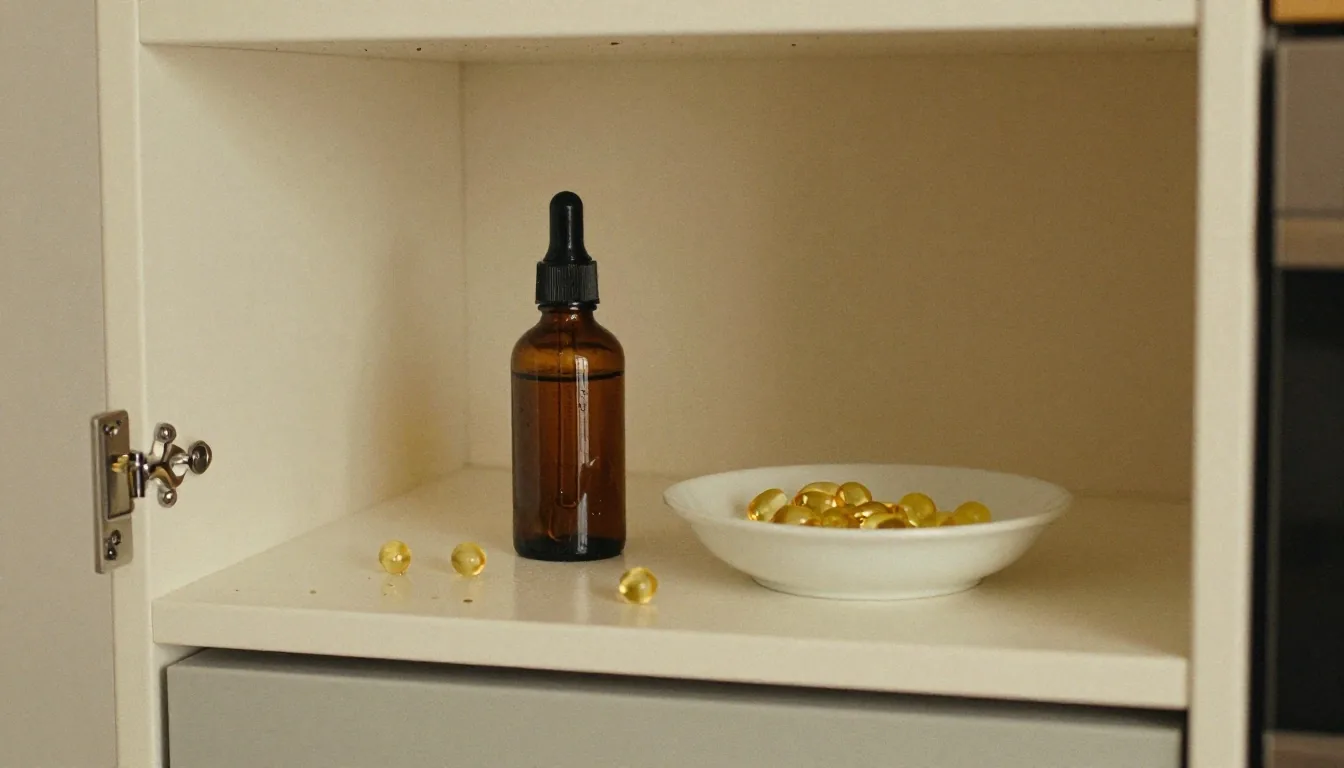
Compare the amount per softgel and the storage instruction together. Softgels are sensitive to heat, so storage matters more than it does for a dry capsule, particularly in a humid climate. A closed cupboard away from the stove beats a sunny shelf or a warm car.
Ingredient definitions for these formats are listed in the Natural Supplements Guide.
Cost per day
What price does and does not tell you
A higher price does not reliably mean a better product, and the cheapest option is not automatically a bargain either. The useful calculation is cost per daily serving, worked out from the servings per pack. A large bottle with a low price can cost more per day than a smaller pack.
Add the documentation check from the guide page, and price falls back to being one factor among several rather than the whole decision.
The sum worth doing
Take the price you see on the shelf, then divide it by the number of daily servings the pack gives you. That is your real daily figure, and it is the only one that stays comparable across pack sizes, formats and formats that ask for two capsules instead of one.
Do the same sum for the product you already own before switching. Sometimes the old bottle is simply the better daily rate, and the higher number on the new packaging is size, not value.
Before you pay
A short buying checklist
Five things worth confirming while you are still standing in front of the shelf. If a line is unclear, ask before buying. A shop that cannot answer basic label questions is telling you something.
Send a questionPurpose
It matches your actual reason for looking, not the reason on the poster in the window.
Amounts
Amounts are stated per daily serving, not just per capsule, so the serving line does the work.
Packaging
The pack carries a BPOM registration number and an expiry date that is still ahead of you.
Seller
You can name the seller as a pharmacy, a retailer, or an official channel before you pay.
Duration
You know how many days the pack will last, so the next purchase is planned rather than guessed.
Common questions
Questions readers ask most
Two short answers that cover most of what comes up when people compare natural capsules for strength and vitality against the everyday formats above.
Which format is best?
The one you will keep taking. Daily capsules suit simple routines; powders suit people who already mix drinks; single-ingredient products suit careful testing. Convenience decides more than potency.
Are imported products better than local ones?
Not by default. Registration, a clear ingredient list, and an identifiable seller matter more than the country on the label. A well-documented local product beats an unclear import.
Where to go next
Compare formats, then check the label
Once you know which format fits your week, the next step is reading what is actually inside the pack. The vitamins and minerals reference covers the nutrients that appear most often on men's vitamin supplements, and the healthy lifestyle habits section puts the daily routine around the capsule in order.
Bring a question
If a label is unclear, write to us and describe the product you are holding. A short answer is usually enough to tell you whether the next step is worth taking.
Daya Tubuh
Jl. Basuki Rahmat No. 129, Embong Kaliasin, Genteng, Surabaya, Jawa Timur 60271
Monday–Friday, 09:00–18:00
These notes describe supplement formats and label practice only. They are not a substitute for advice from a qualified professional, and products described here are not intended to replace a varied diet.